Audisankara College of Engineering & Technology

Department of Electronics and Communication Engineering

The department of Electronics & Communication Engineering (ECE) was established during 2001 with an undergraduate program in ECE with an annual intake of 60. Presently the program of Electronics & Communication Engineering (ECE) is operating with a total student strength of 1031 and an annual intake of 480 at undergraduate level in addition to P. G. programs in VLSI Design, Embedded Systems with an intake of 36 & 18 respectively. The program of ECE is accredited by National Board of Accreditation (NBA) for thrice consecutive cycles under Tier 1. Presently, the department of ECE has 58 members of faculty for a student strength 1031 while maintaining a faculty – student ratio of 1:20. Among 58 members, 20% of the faculty are holding Ph.D. qualification. The department is continuously engaged in offering consultancy and testing services to private and public sectors in the near vicinity at its capacity. Moreover the department has established a specialized industry sponsored laboratory in association with Teckybot and Vihaan Electrix in the field of Electric Vehicle Technologies, Embedded System and IoT and NI LabView academy. Further the department of ECE has ensured the development of holistic curriculum focusing trans-disciplinary approach. This approach has been adopted to align with one of the core values of the National Education Policy 2020 (NEP 2020) i.e. streaming out single phased education. Also, the department of ECE offers a better learning environment viz. experiential learning and applied learning through semester long internship programs, summer internship and community-oriented service projects. Also it has also introduced credit-based courses on yoga, health and hygiene, NSS, foreign languages and most importantly, a course on Conscious based education (CBE) through an international collaboration with Maharishi Vedic University, Holland. The department of ECE is continuously engaged in offering various technical expertise through SMEs from various industry with a vision of always keeping the students on demand and to make a talented pool. To strengthen the curriculum as mentioned earlier, it is augmented with niche areas that are in demand viz. artificial intelligence, machine learning, data science through open electives in collaboration with partners like nasscom, APSSDC, and NSDC.
Courses offering by department
 UG - B. Tech in Electronics and Communication Engineering | Year of Inception 2001 | Intake - 480
PG - M. Tech in VLSI | Year of Inception 2009 | Intake 36
PG - M. Tech in Embedded Systems | Year of Inception 2010 | Intake 18
The department is Focusing on
RFIC
SCADA
Robotics Technology
Virtual Instrumentation using Lab VIEW
Digital Image Processing
CADENCE VLSI Design
PCB Design
IOT
MEMS
Strengths of Department
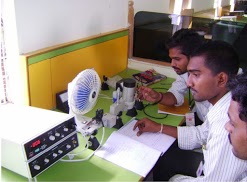
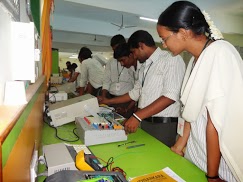
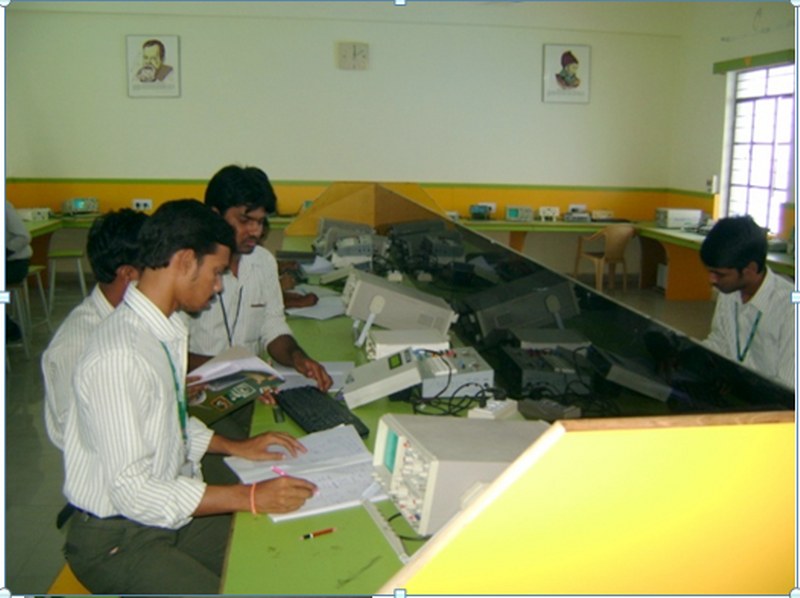
Well established Laboratories with one module per student,
Industry oriented courses.
One research centre NI Lab VIEW
Well qualified faculty
Effective mentoring system for students
Strong presence of alumni in industry at national level and international as well.
Internship
Excellent success rate in placement
Paper publications by student in reputed organizations
Training programs in advanced technologies like ROBOTICS, IOT, VLSI, NILABVIEW etc.
Vision
To equip young engineering graduates with advance knowledge in the field if Electronics and communication engineering as well as professional skills necessary to face the challenges of the future and develop the intellectual human and social equality necessary for successful practice of the profession.
Mission
Mission#1: To produce employable and entrepreneurial engineering graduates with academic excellence.
Mission#2: To incorporate hands on experience on innovative technologies, positive attitude, communication skills and interpersonal skills.
Mission#3 To promote engineering graduates enriched with ethical values, self-confidence and leadership qualities to serve the society for its multidirectional development.
|
|||
|
PEO1:Graduates will continue to demonstrate their competency and succeed in the core and allied areas of Electronics & Communication Engineering or their chosen field of interest |
|||
Program Outcomes (PO's) |
|||
|
PO1: Engineering knowledge:Engineering Knowledge: Apply knowledge of mathematics, natural science, computing, engineering
fundamentals and an engineering specialization as specified in WK1 to WK4 respectively to develop
to the solution of complex engineering problems |
|||
Program Specific Outcomes (PSO's) |
|||
PSO1:Graduates will possess a comprehensive understanding of differential equations, linear algebra, complex variables, and discrete mathematics, along with a solid foundation in communication theory and practice |
|||
Knowledge and Attitude Profile (WK) |
|||
|
WK1: A systematic, theory-based understanding of the natural sciences applicable to the discipline
and awareness of relevant social sciences |
|||
Academic Calender
1.
B.Tech III Semester (R23) Academic Calendar 2024-25
2.
B.Tech V Semester (R20) Academic Calendar 2024-25
3.
B.Tech VII Semester (R20) Academic Calendar 2024-25
4.
M.Tech III Semester Academic Calendar 2024-25
ECE BoS Members
| No. | Name of the Member | Designation & Affiliation | Category |
|---|---|---|---|
| 1 | Dr. K. Dhanumjaya | HOD | Chairman |
| 2 | Prof. J. Amarendra | Professor | Program Coordinator |
| Subject Experts Nominated by the Academic Council | |||
| 3 | Dr. M. Rama Subba Reddy | Professor of ECE Dept., IITM, Chennai | Member |
| 4 | Dr. T. Srinivas | Professor of ECE Dept., IISC Bangalore, Bengaluru | Member |
| University Nominee | |||
| 5 | Prof. P. Ramana Reddy | Professor of ECE Dept., JNTUA, Anantapuramu | Member |
| Industry Expert | |||
| 6 | Sri. P. Venkataramana | Dy. Manager Radars, SDSC - SHAR, Sriharikota | Member |
| Alumni | |||
| 7 | Ms. Md. Unnisa Begum | INTEL, Bangalore | Member |
| Department Faculty | |||
| 8 | All members of faculty | Department of ECE, ASCET | Members |
Minutes
8th BoS Meeting Minutes
7th BoS Meeting Minutes
6th BoS Meeting Minutes
5th BoS Meeting Minutes
4th BoS Meeting Minutes
3rd BoS Meeting Minutes
2nd BoS Meeting Minutes
1st BoS Meeting Minutes
Roll of Honours
| S.No | Year | Name of the Student | Regd.No | Percentage |
|---|---|---|---|---|
| 1 | 2001-05 | D.Madhuri Devi Reddy | 01G21A0418 | 80.99 |
| 2 | 2002-06 | K.Sai Krishna | 02G21A0464 | 80.27 |
| 3 | 2003-07 | B.Krishna Chaithanya | 03G21A0426 | 80.89 |
| 4 | 2004-08 | N.V.Sai Rupa | 04G21A0474 | 80.00 |
| 5 | 2005-09 | G.Malyadri | 05G21A0438 | 79.00 |
| 6 | 2006-10 | N.Chandana | 06G21A0467 | 81.96 |
| 7 | 2007-11 | Y.Naveen | 07G21A0453 | 86.16 |
| 8 | 2008-12 | S.Geethika | 08G21A0451 | 86.60 |
| 9 | 2009-13 | M.Mounika | 09G21A0450 | 88.25 |
| 10 | 2010-14 | Md.Unniesa Begum | 10G21A0437 | 86.00 |
| 11 | 2011-15 | S.Venkata Lalitha | 11G21A04D9 | 87.27 |
| 12 | 2012-16 | SK.Suhana | 12G21A04D2 | 88.38 |
| 13 | 2013-17 | S.Kiranmai | 13G21A04G8 | 90.3 |
| 14 | 2014-18 | B.P.S.Sai kumari | 14G21A0410 | 91.14 |
| 15 | 2015-19 | Jaladanki Jyothirmai | 15G21A0470 | 92.07 |
| 16 | 2016-20 | Kudari Prathyusha | 16G21A0496 | 9.76 CGPA |
| 17 | 2017-21 | P.Bhanu Krishna | 17G21A04A3 | 9.76 CGPA |
- D. Nagaraju, Cryptography-a practical approach, SLV Publisher (2020), ISBN:978-93-5406-609-2.
- D. Nagaraju Introduction to Blockchain Technology, SLV Publisher (2020), ISBN:978-93-5407-379-3
- Mr. G. Rajesh, “Fundamentals of Data structures”, Xpress Publishing (2020), Chennai, ISBN: 9781648923517.
- Dr. John T Mesia Dhas, C LOGIC PROGRAMMING, Self-published by Dr. John T Mesia Dhas (2020), ISBN: 978-93-5416-366-1
- Dr. John T Mesia Dhas, Modern Metrics (MM): The Functional Size Estimator for Modern Software, Self-published by Dr. John T Mesia Dhas, ISBN: 978-93-5408-510-9
- Dr. John T Mesia Dhas, PYTHON 3.7.1 Vol - I Publisher: Self-published by Dr. John T Mesia Dhas Copyright © 2020, ISBN: 978-93-5416-045-5
- Dr. K. Venkata Nagendra, “Semantic Web”, AkiNik Publications, New Delhi (2020), ISBN: 978-93-89680-91-1.
- Dr. K. Venkata Nagendra, “Software Engineering for Software Engineers & Students”, Xpress Publishing (2020), Chennai, ISBN: 9781648923159.
- Dr. K. Venkata Nagendra, “Fundamentals of Data structures”, Xpress Publishing (2020), Chennai, ISBN: 9781648923517.
- Dr. K. Venkata Nagendra,“Mobile Application Development-Practical Approach”, Xpress Publishing (2020), Chennai, ISBN: 9781648927997.
- Dr. K. Venkata Nagendra,“Information and Communication Technology”, Xpress Publishing (2020), Chennai, ISBN: 9781648991523.
- Dr. K. Venkata Nagendra, “Distributed Operating System Concepts”, Xpress Publishing (2020), Chennai, ISBN: 9781648991639.
- Dr. K. Venkata Nagendra, “Concepts of ‘C’ Programming Language”, Xpress Publishing (2020), Chennai, ISBN: 9781648991639.
- Dr. K. Venkata Nagendra,“Concepts of Python Programming”, Xpress Publishing (2020), Chennai, ISBN: 9781649835383.
- Dr. K. Venkata Nagendra, “Introduction to Data ware housing and Data Mining”, Xpress Publishing (2019), Chennai, ISBN: 9781648696497.
- Dr. K. Venkata Nagendra,“Introduction to Big Data” AkiNik Publications, New Delhi (2018), ISBN: 978-93-5335- 095-6.
- Dr. K. V. Nagendra, "Design and Development of EGB Classification Model for predicting Heart Diseases ", International Conference on Innovative Mechanisms for Industry Applications (ICIMIA20) , DSUniversity, bangalore, Mar20.
- Dr. K. V. Nagendra, "A study on object detection, tracking and identifing object names using open CV", @GWEST2020 on june 13-14, organized by BITS, vizag and IFERP.
Electric Vechnical Technology Lab
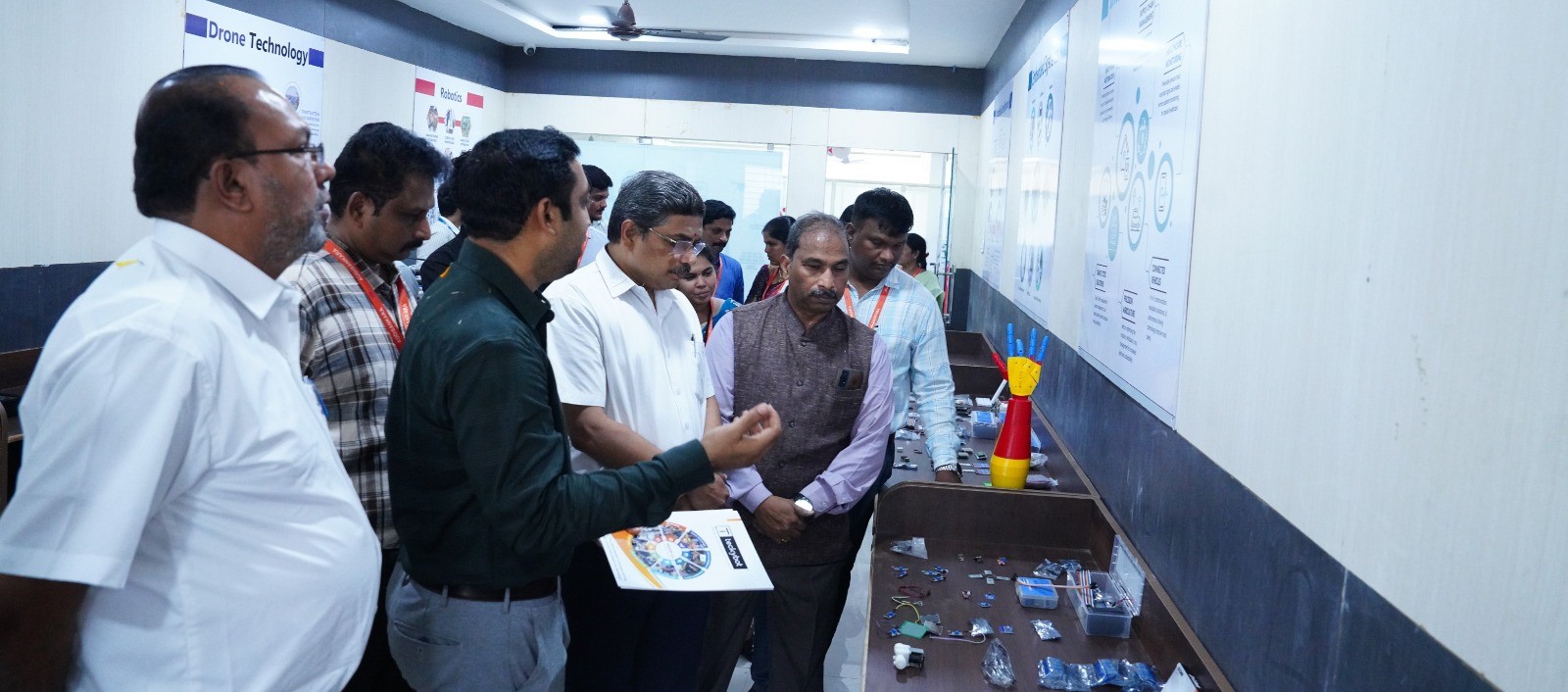
On September 24, 2024, Audisankara College of Engineering and Technology (ASCET) signed a Memorandum of Understanding (MoU) with Teckybot, Visakhapatnam to enhance campus upskilling in the field of EVT and Robotics. Additionally, Teckybot from Visakhapatnam, Andhra Pradesh, has sponsored a laboratory for EVT, IoT, Robotics laboratory and established its industry operations on campus.
Memorandum of Understanding
Teckybot
University of Malaya
ESSCI
Andhra Pradesh State Skill Development Corporation, APSSDC – Siemens projects
VR Electronics, Hyderabad
Katriot Technologies Pvt. Ltd.
Cranes Software international Ltd
Cadence design systems Ltd
IETE Tirupati Centre
National Instruments Inda Private Limited
Regulations & Syllabus
R23 Academic Regulations
R23 Regulations & Syllabus
R20 Regulations & Syllabus
R18 Regulations & Syllabus
R16 Regulations & Syllabus (1-4 Semesters)
R16 Regulations & Syllabus (5-8 Semesters)
R13 Regulations & Syllabus
At Audisankara College of Engineering & Technology, we are committed to fostering a dynamic and innovative educational environment that prepares
our students for the complexities of the modern world. Our approach to teaching and learning integrates a range of transformative strategies aimed at
enhancing student engagement, critical thinking, and practical skills. Since 2022, we have implemented a full semester internship program that emphasizes applied
and experiential learning.
This initiative allows students to immerse themselves in real-world environments, bridging the gap between theoretical knowledge and practical
application. By engaging in meaningful internships, students earn while they learn, gaining valuable industry experience and skills that are directly applicable
to their future careers. To cultivate a holistic educational experience, we have introduced a trans-disciplinary curriculum framework.
This innovative approach transcends traditional subject boundaries, enabling students to connect knowledge across disciplines.
By streamlining education into a cohesive, integrated format, we promote a more enriching learning experience that encourages creativity and critical thinking.
In each unit of our courses, we incorporate self-study topics designed to promote autonomous learning.
This initiative empowers students to take charge of their educational journeys, encouraging them to explore areas of interest and engage in independent research.
By fostering self-directed learning, we equip students with the skills needed for lifelong learning and adaptability in an ever-evolving world.
The recent implementation of a Learning Management System (LMS) has revolutionized our approach to blended learning.
This platform enhances the learning experience by providing students with flexible access to resources, interactive content, and collaborative tools.
By combining online and face-to-face instruction, we cater to diverse learning styles and ensure that our students are well-equipped for a digital future.
To further enhance our students’ problem-solving abilities, we have established robust On-Job Training (OJT) and apprenticeship programs.
These initiatives provide hands-on experience in real-world settings, allowing students to tackle practical challenges while honing their critical thinking and analytical
skills. By engaging directly with industry professionals, students gain insights that enrich their academic learning.
At the heart of our innovative teaching-learning process is a commitment to conscious-based education.
We believe in nurturing not only the intellect but also the emotional and ethical dimensions of our students.
By fostering awareness, empathy, and social responsibility, we prepare our graduates to become thoughtful leaders who can contribute positively to society.
Further the implementation of meta-cognitive assessment tools through video format enhances the accuracy of the learning comes in few of the courses related to
experiential and applied learning.
At Audisankara College of Engineering & Technology, we are dedicated to creating an educational landscape that embraces innovation and
nurtures the potential of every student. Through our comprehensive initiatives—ranging from full semester internships to trans-disciplinary curricula—we are reshaping the
teaching-learning process, ensuring our graduates are not only knowledgeable but also equipped with the skills and mindset necessary to thrive in a complex,
interconnected world.
|
|
|
|
|
|
|
|

|
|||
Events
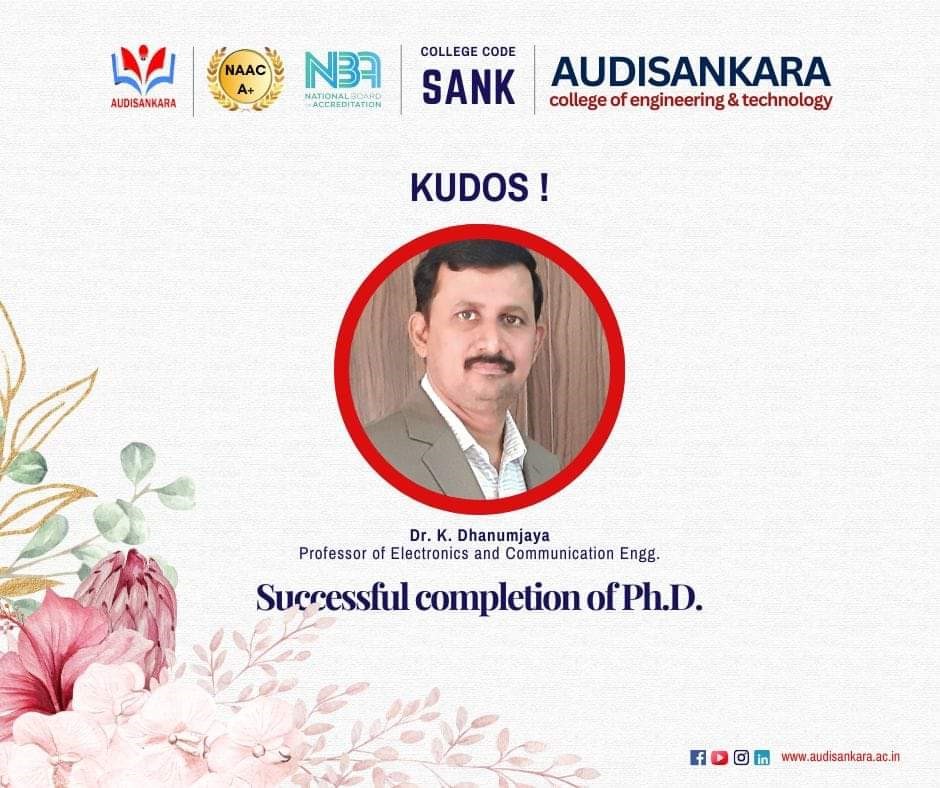
Factulty Achievements
R16 Syllabus 5th-8th Semesters
R16 Syllabus 5th-8th Semesters
R20 Regulations & Syllabus
R20 Regulations & Syllabus
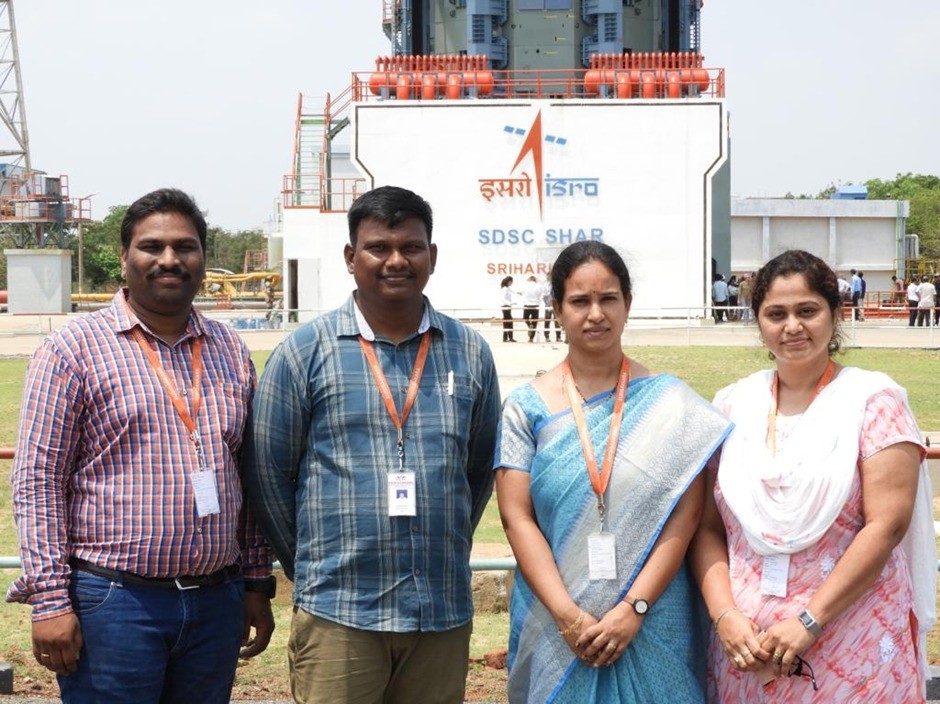
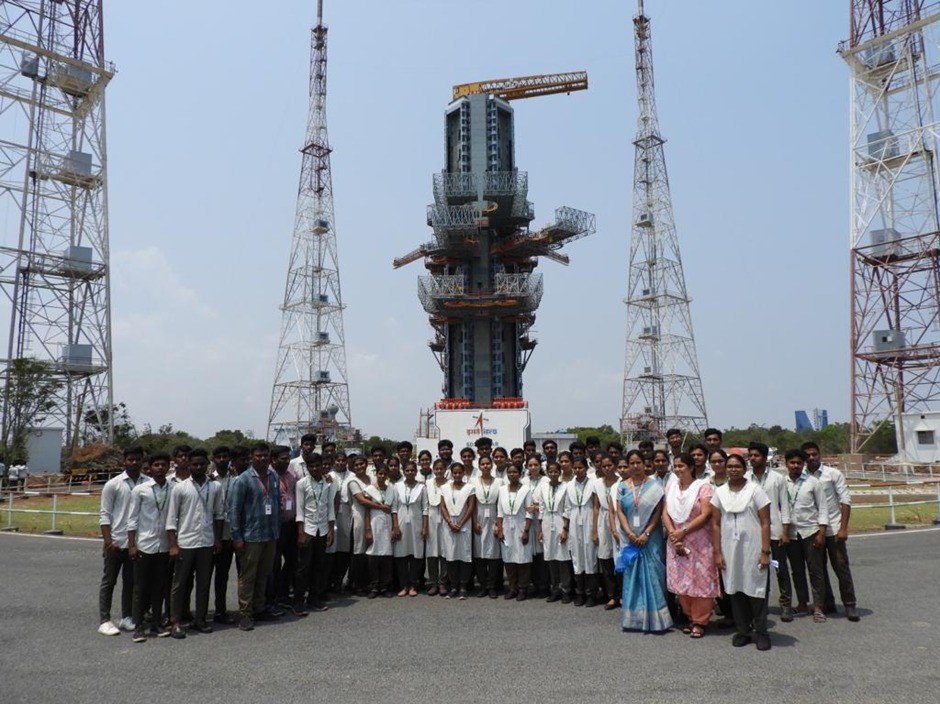
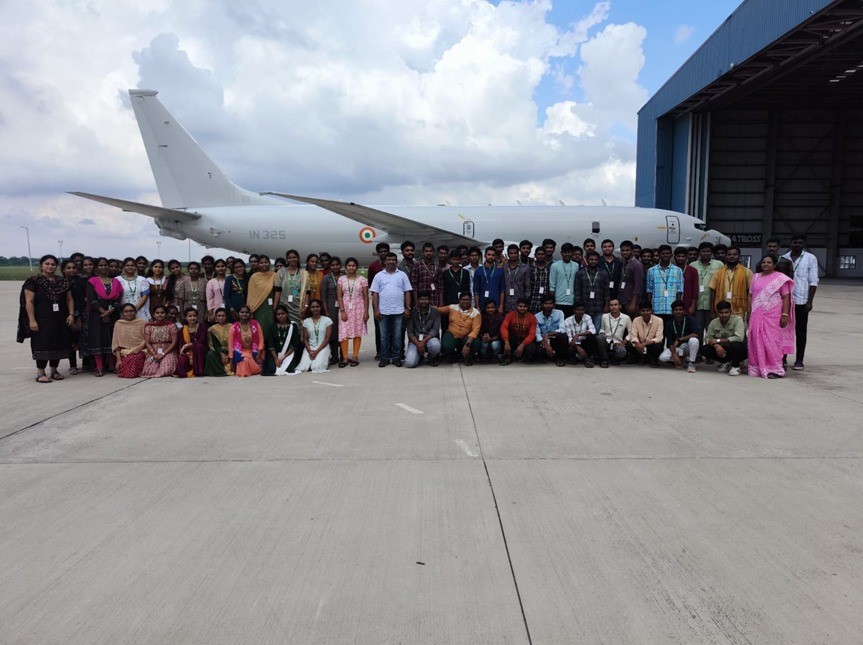
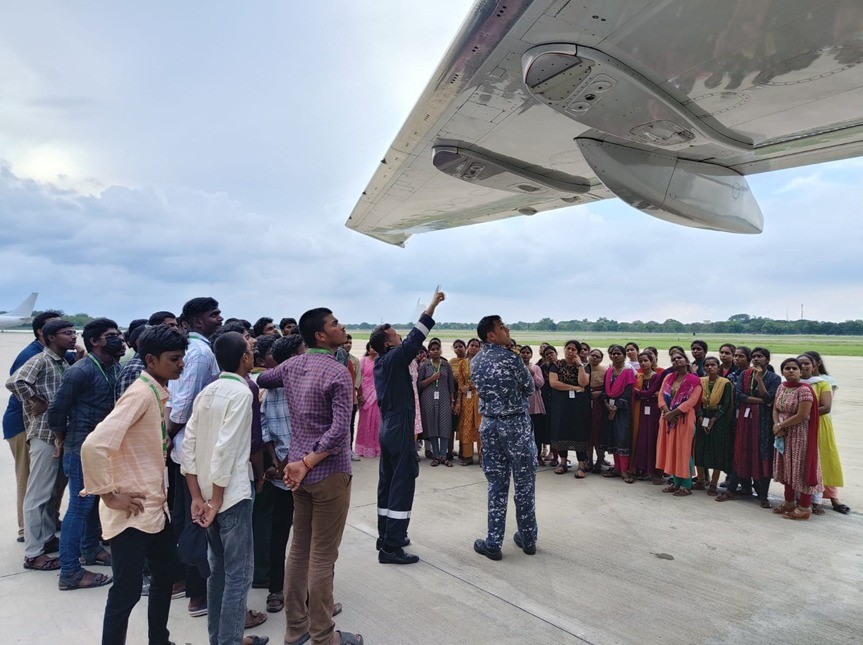
Industrial Visits
Association(CIDEC)
Professional Body Members(CIDEC)
| S.No | Regd.No | Name of the Student | Desigination |
|---|---|---|---|
| 1 | 16G21A04D7 | P.Deepak | President |
| 2 | 17G21A0410 | B.Pramod Kalyan | Vice-President |
| 3 | 16G21A0447 | D.Madhu sudhan | Secretary |
| 4 | 17G21A0407 | A.Venkateswarlu | Joint Secretary |
| 5 | 16G21A0446 | D.Anuhya | Treasurer |
| 6 | 17G21A04C5 | S.Dhathri | Assoc. Treasurer |
Contact HoD
|
Prof.K.Dhanumjaya |